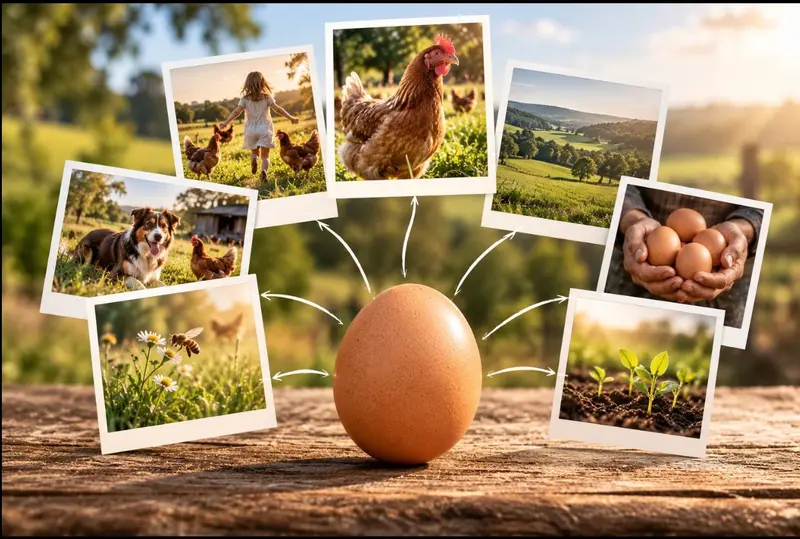
Why Do We Pay More for Free-Range Eggs? The Power of Branding
Free-range eggs often cost more than cage eggs because consumers value more than nutrition. They associate free-range with animal welfare, freedom, nature and hens living better lives. While nutritional differences between eggs from different production systems are generally small, the perceived welfare difference can influence what people are willing to pay. That's the power of branding. We're not simply buying eggs. We're buying what those eggs mean to us..
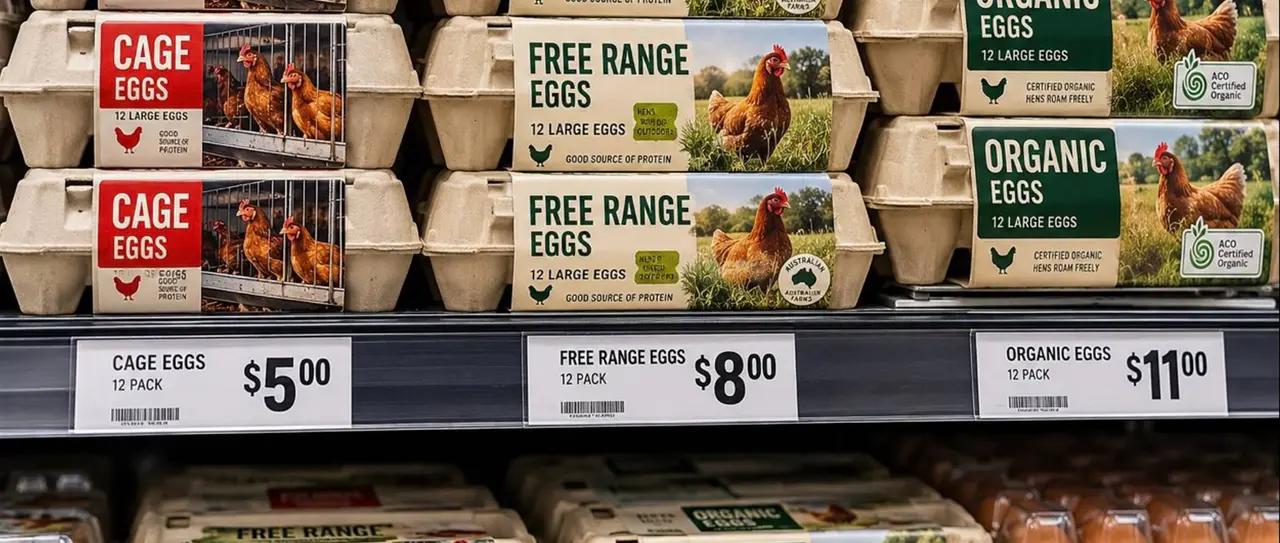
Three choices. Same breakfast.
When you go shopping at Coles or Woolworths, eggs are on the list.
And you’ve got three choices.
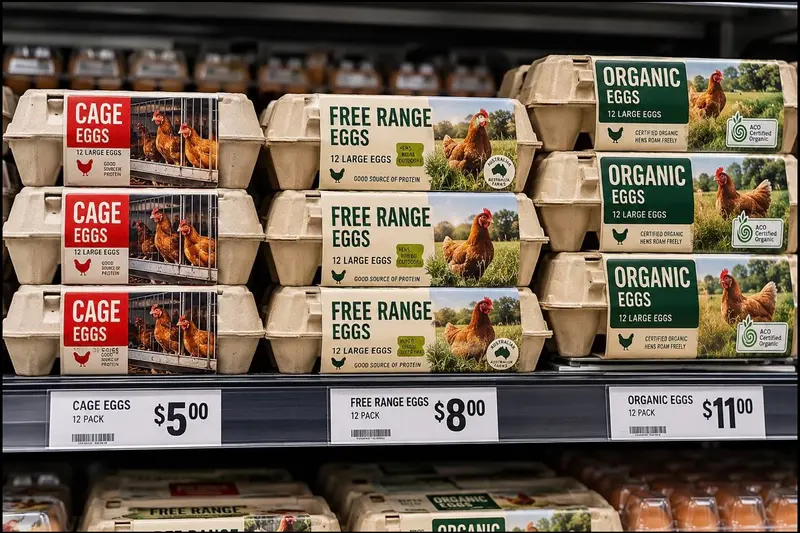
Cage eggs. $5 a dozen.
Free-range eggs. $8 a dozen.
Organic eggs. $11 a dozen.
What eggs do you buy?
Free-range.
Well, that’s what most Australians shopping for eggs in major supermarkets choose.
In 2024, free-range eggs accounted for 57% of supermarket egg sales by volume. And in 2024–25, that figure was still around 57%.
More than half.
Now, this needs some context.
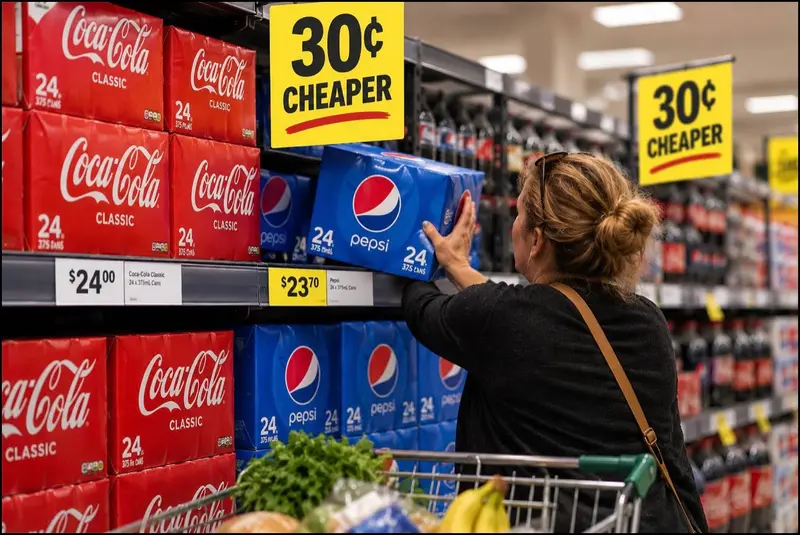
I’m talking about the supermarket. That place where shoppers are on the hunt for LOW PRICE deals, compare specials and will switch from Coke to Pepsi because it’s 30 cents cheaper.
The cost of living!
BUT when it comes to eggs, we’re prepared to pay more.
In my example, 60% more.
For what?
It’s not about nutrition
Do free-range eggs have a nutritional advantage over cage eggs?
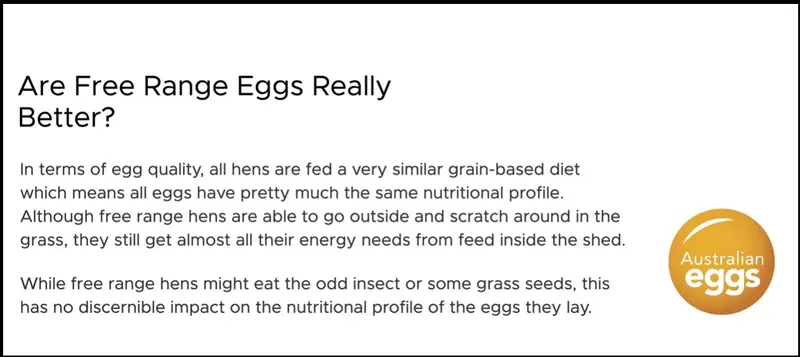
Not much, according to Australian Eggs.
Hens across different production systems are generally fed similar grain-based diets. Free-range hens might scratch around outside, eat the odd insect or grass seed, but their eggs have broadly similar nutritional profiles.
Same protein.
Same essential nutrients.
Same breakfast.
So why pay more?
We’re buying happy chickens
The thing is, we’re not buying eggs.
We’re buying happy chickens.
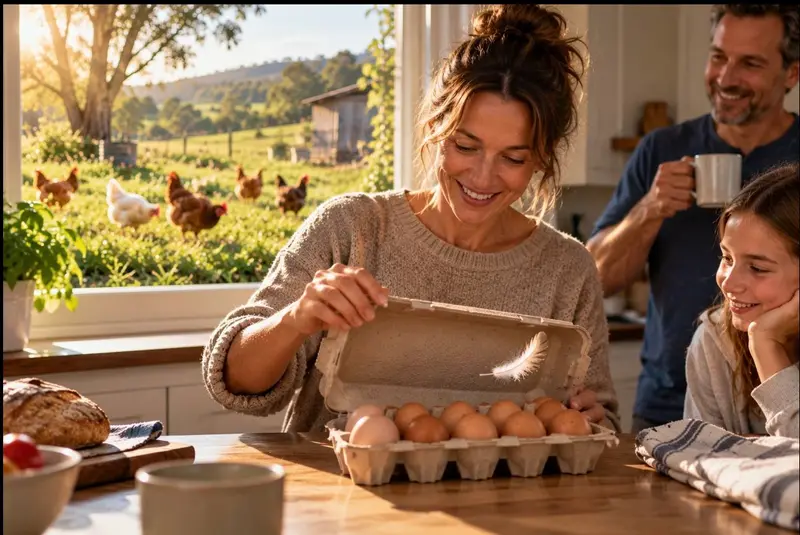
Because in our minds, free-range means happy chickens roaming lush green pastures, scratching in the sunshine, living their best lives.
Little feathered creatures enjoying the great outdoors.
And in our hearts, free-range is the feeling we get as consumers who’ve made an animal-welfare, better-planet, chicken-friendly choice.
And paid 60% more for the privilege!
Then you get home, open the carton, a feather falls out, and there’s a bit of chicken shit on one of the eggs.
And everyone goes:
“Ah, look at that! Real free-range eggs!”
Oh, what a feeling!
The great free-range reality check
But there’s a catch.
Free-range isn’t necessarily what we imagine it to be.
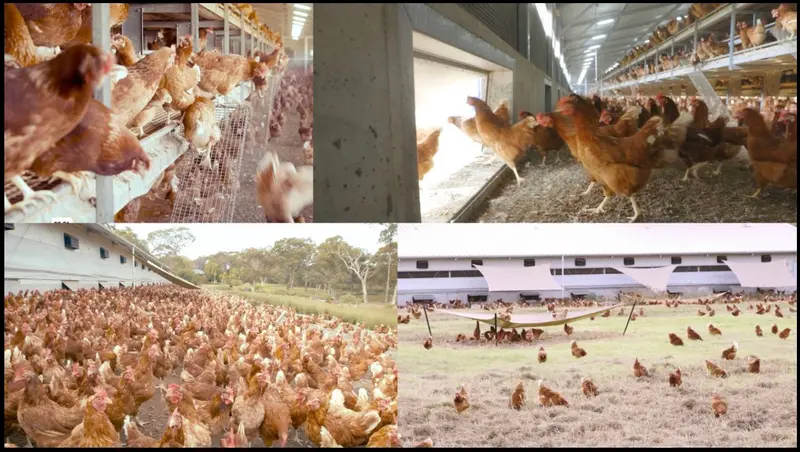
In Australia, eggs can legally be labelled free-range when hens have meaningful and regular outdoor access, can roam and forage, and the outdoor stocking density is no more than 10,000 hens per hectare.
That’s the legal maximum.
Do the maths.
At that density, there’s an average of one square metre of outdoor range per hen.
Not quite the idyllic picture of happy chickens wandering through endless green pastures.
Of course, not every free-range farm operates at that density. Some have considerably more space. And outdoor access can offer hens opportunities to express natural behaviours that caged hens don’t have.
But the words free-range don’t tell you everything about how those chickens live.
The picture in your head and the reality on the farm aren’t necessarily the same thing.
Which brings me back to branding.
What something means matters more than what it does
Think about it.
You’re standing in a supermarket.
Three cartons of eggs.
All perfectly capable of making your Sunday morning omelette.
But one of them represents something more.
Freedom.
Nature.
Animal welfare.
A better planet.
A better you.
You’re not simply choosing an egg. You’re choosing what that egg says about the kind of person you want to be.
That’s branding, and it’s a powerful feeling that’s worth paying more for.
I’m sure there are a lot more happy chickens because of it ☺️✌🏼