The Identity Deficit: What Happens When Identity and Behaviour Fall Out of Alignment?
The identity deficit is the gap between who we say we are and how we actually behave. It occurs in individuals, leaders and organisations when stated beliefs, values and intentions no longer match everyday actions. That disconnect damages trust, weakens culture and undermines performance. Closing the identity deficit starts with recognising the gap, questioning the stories we tell ourselves and making choices that reflect who we really want to be.
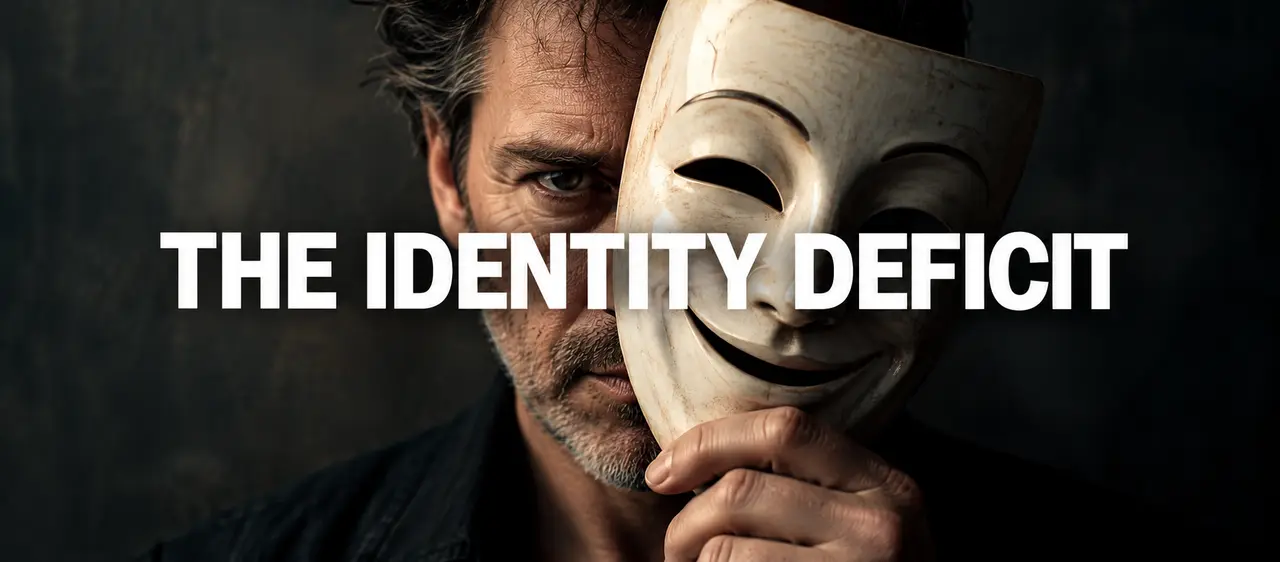
Who do you think you are?
Are you the person you think you are?
Most of us have a pretty good story about ourselves.
I’m honest. I’m fair. I’m open-minded. I care about people. I do the right thing.
Wonderful.
Now let’s look at how you actually behave.
Do you listen when someone disagrees with you? Do you admit when you’re wrong? Do you treat people with respect when things aren’t going your way?
Or do you have one set of values for the person you think you are and another for the person who turns up on Monday morning?
Welcome to the identity deficit.
The gap between identity and behaviour.
The same thing happens in organisations.
A company says it values innovation but punishes mistakes.
A leader talks about trust but micromanages everyone.
A business claims people come first but treats them as expendable.
And everyone wonders why the culture is falling apart.
The problem isn’t necessarily that people are lying.
Often, they genuinely believe the story they’re telling.
They just haven’t noticed that their behaviour is telling a different one.

You are what you do.
Identity isn’t just what you believe about yourself.
It’s what you demonstrate through your choices, decisions and actions.
And when there’s a gap between the two, people notice.
Trust disappears. Cynicism grows. Performance suffers.
Because people don’t judge you by your intentions.
They judge you by their experience of you.
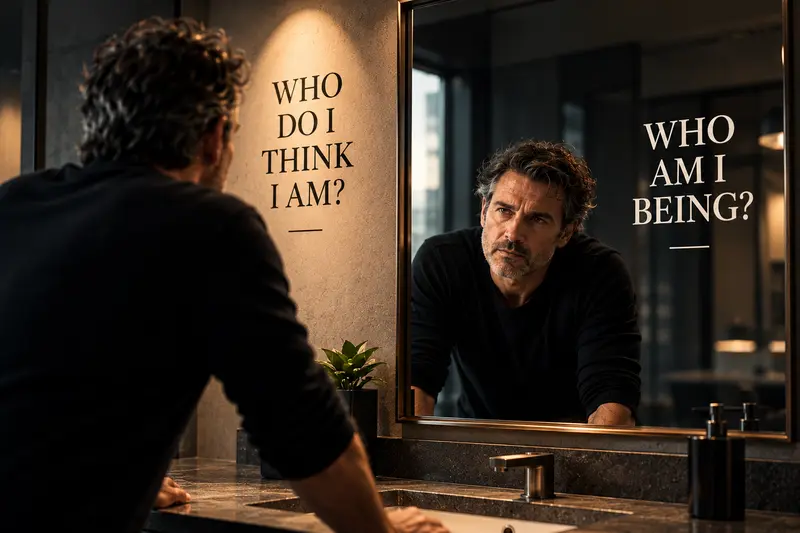
Close the gap.
So here’s the challenge.
Stop asking, “Who do I think I am?”
Start asking, “Who am I being?”
And if you don’t like the answer, change something.
Not your story. Your behaviour.
Who you are isn’t defined by what you say. It’s revealed by how you show up.